Creeling for Sounds: A New Community-Led Approach to Listening Beneath the Waves
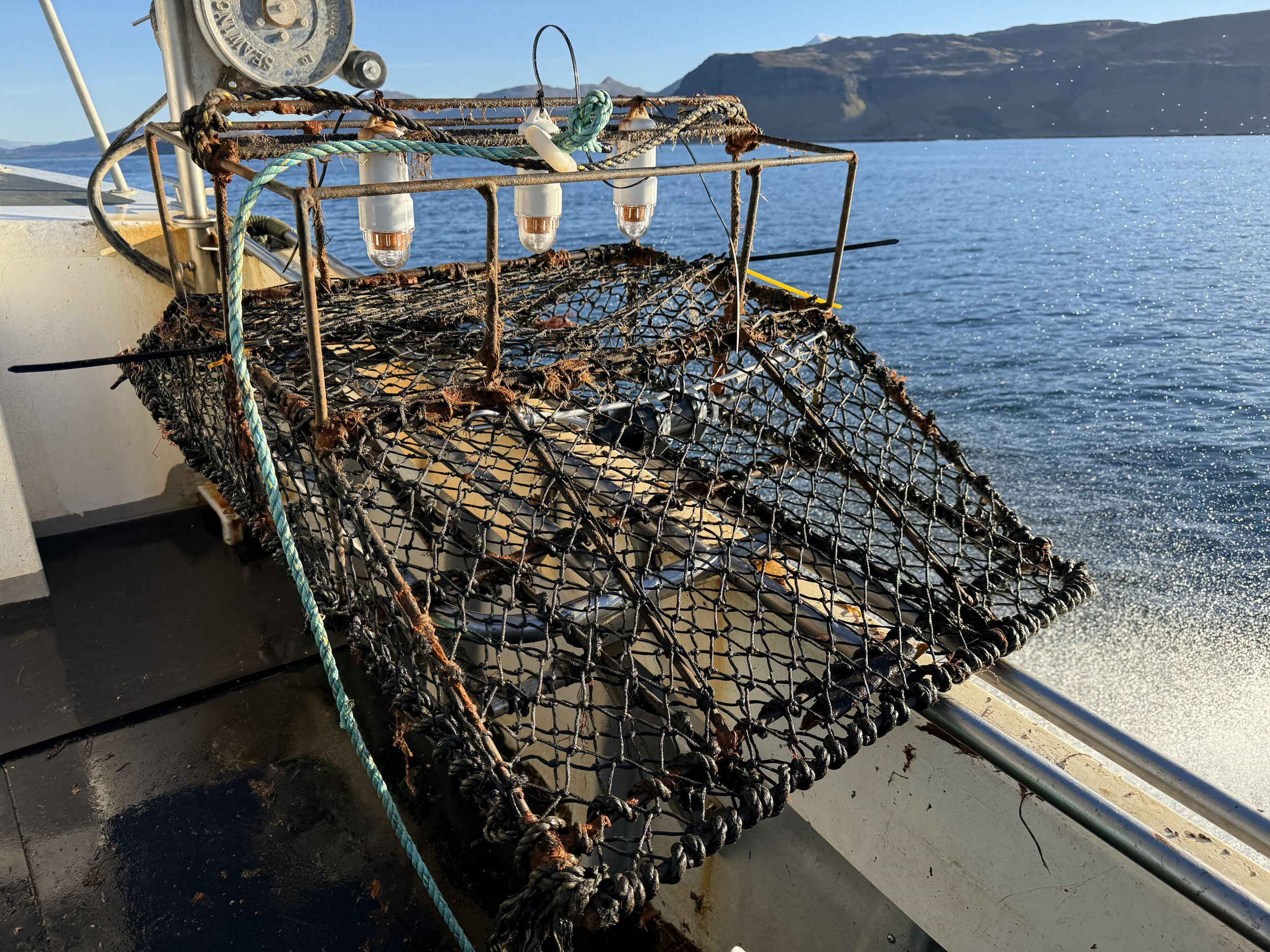
Creel with SoundTrap equipment attached inside.
This winter, an innovative project is taking shape off Scotland’s west coast, where collaboration and curiosity are coming together to explore new ways of listening to the sea.
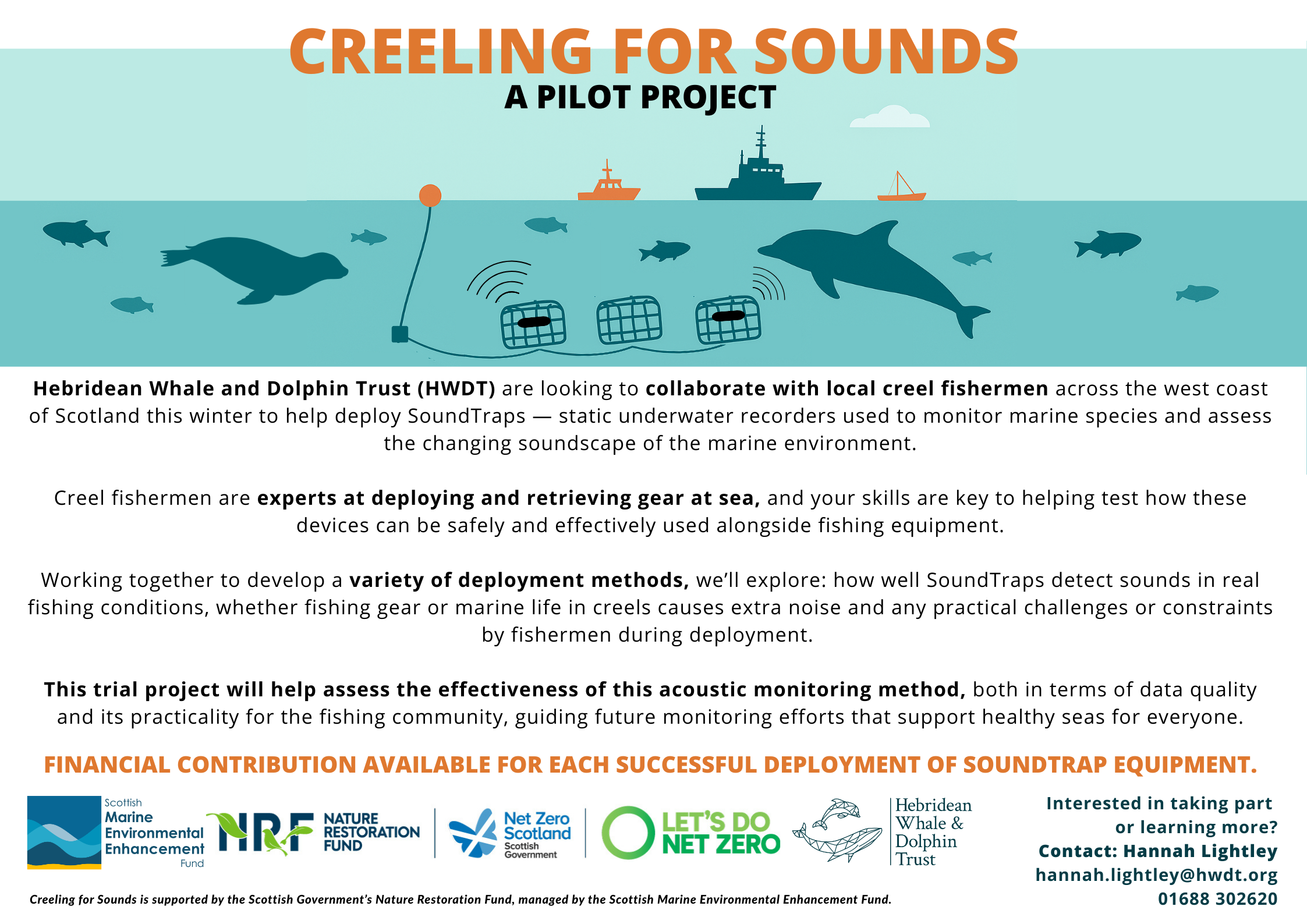
Creeling for Sounds is a pilot project led by the Hebridean Whale and Dolphin Trust (HWDT), working with local creel fishermen to trial a collaborative method of collecting underwater acoustic data.
The Creeling for Sounds project aims to test whether underwater acoustic recording devices can be safely and effectively deployed alongside active gear. By testing a variety of deployment methods and device settings under real working conditions, we aim to assess both the scientific value of the data and the practicality of this approach for the fishing community.
Findings will help determine whether this community-led approach could be scaled up to support long-term, year-round monitoring of whales, dolphins and porpoises (collectively known as cetaceans) and underwater noise off Scotland’s coast, supporting coastal communities and strengthening the evidence needed to understand and safeguard Scotland’s marine ecosystems.
LISTENING BENEATH THE WAVES
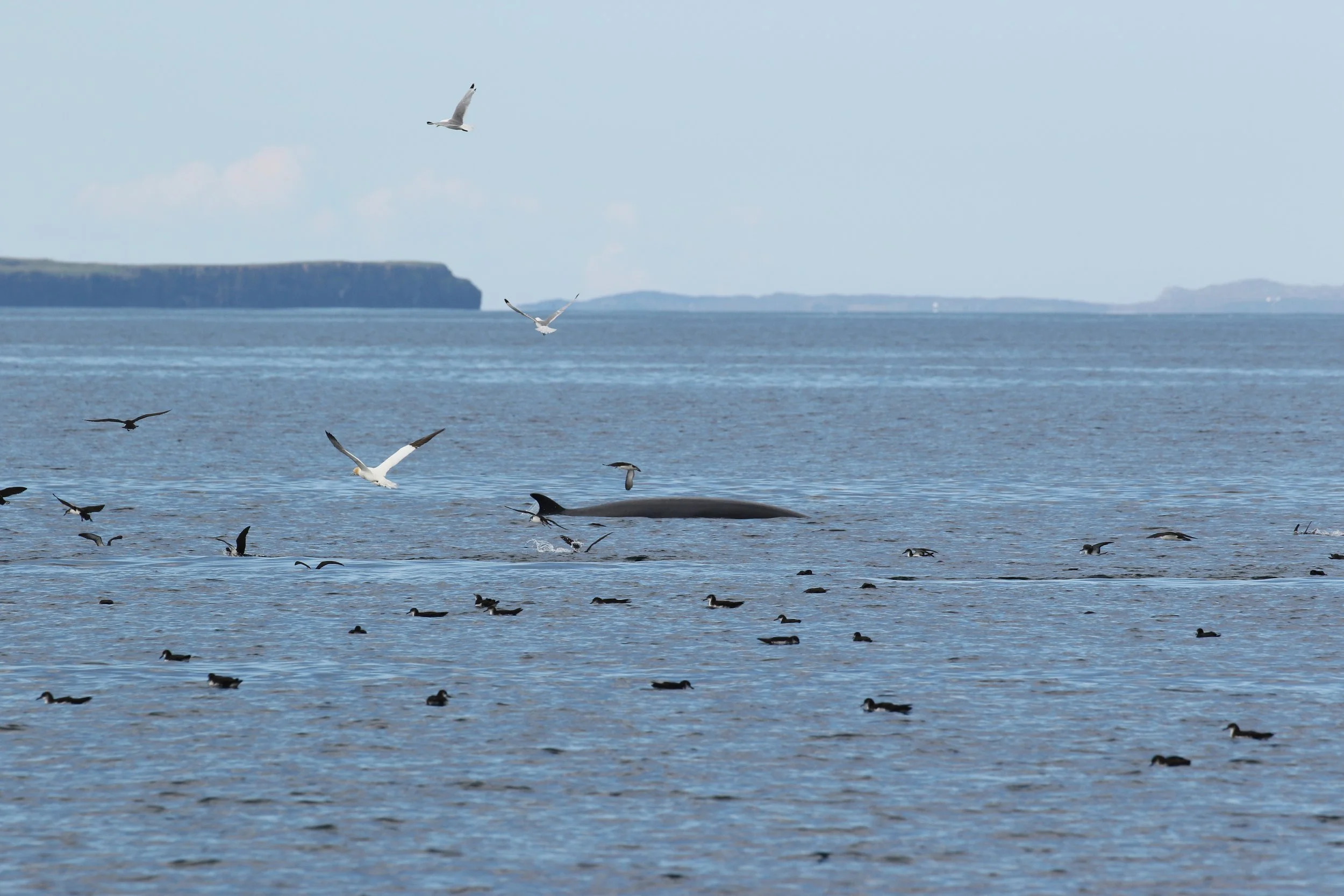
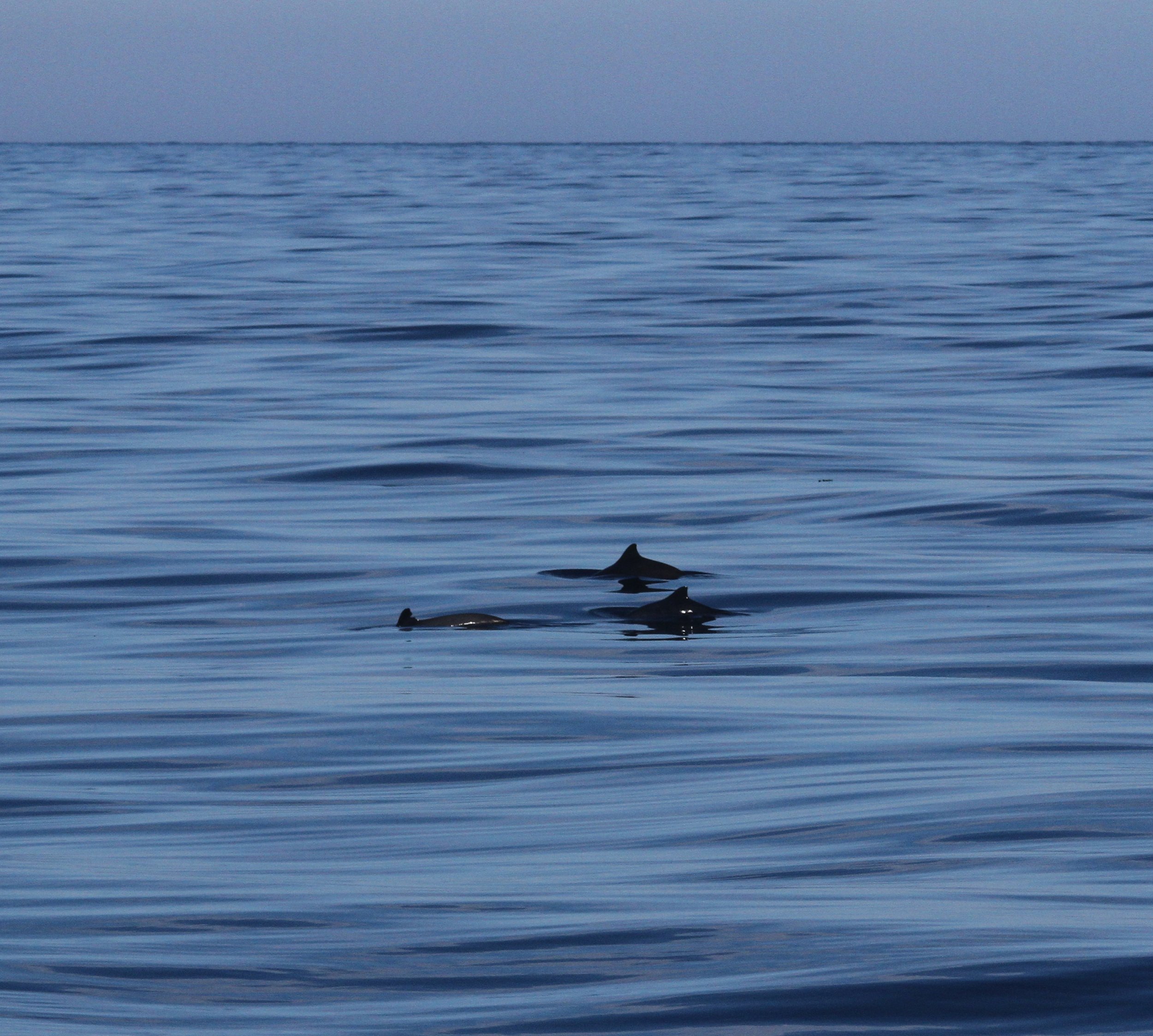
Understanding the year-round distribution and abundance of Scotland’s cetaceans is crucial for effective conservation. For these long-lived creatures, data over the long-term is vital if we are to understand how species are using our waters. The availability of year-round information is limited – these animals spend a huge amount of their lives beneath the waves and so are difficult to study, especially during winter months or poor sea conditions. Many marine species rely on sound to survive. Cetaceans, in particular, use sound to communicate, navigate and find food, but increasing levels of human-made noise can interfere with these essential behaviours.
Long-term Passive Acoustic Monitoring (PAM) provides a consistent, non-invasive way to detect cetaceans as well as assessing how human activities are changing the marine soundscape. This information is essential to assess the distribution, abundance, and behaviour of cetacean’s, and the impact of underwater noise. Acoustic monitoring is a key tool for meeting national and international marine conservation commitments.
A COMMUNITY-LED APPROACH
From the very beginning, the local community on the Isle of Mull has been instrumental in delivering the project. Members of the community have generously donated creel pots, allowing the team to test and refine different configurations for housing acoustic equipment. The design of the setup has been guided by the knowledge and practical expertise of local businesses and people working within the marine industry, ensuring it is robust, effective, and suited to real-world conditions at sea.

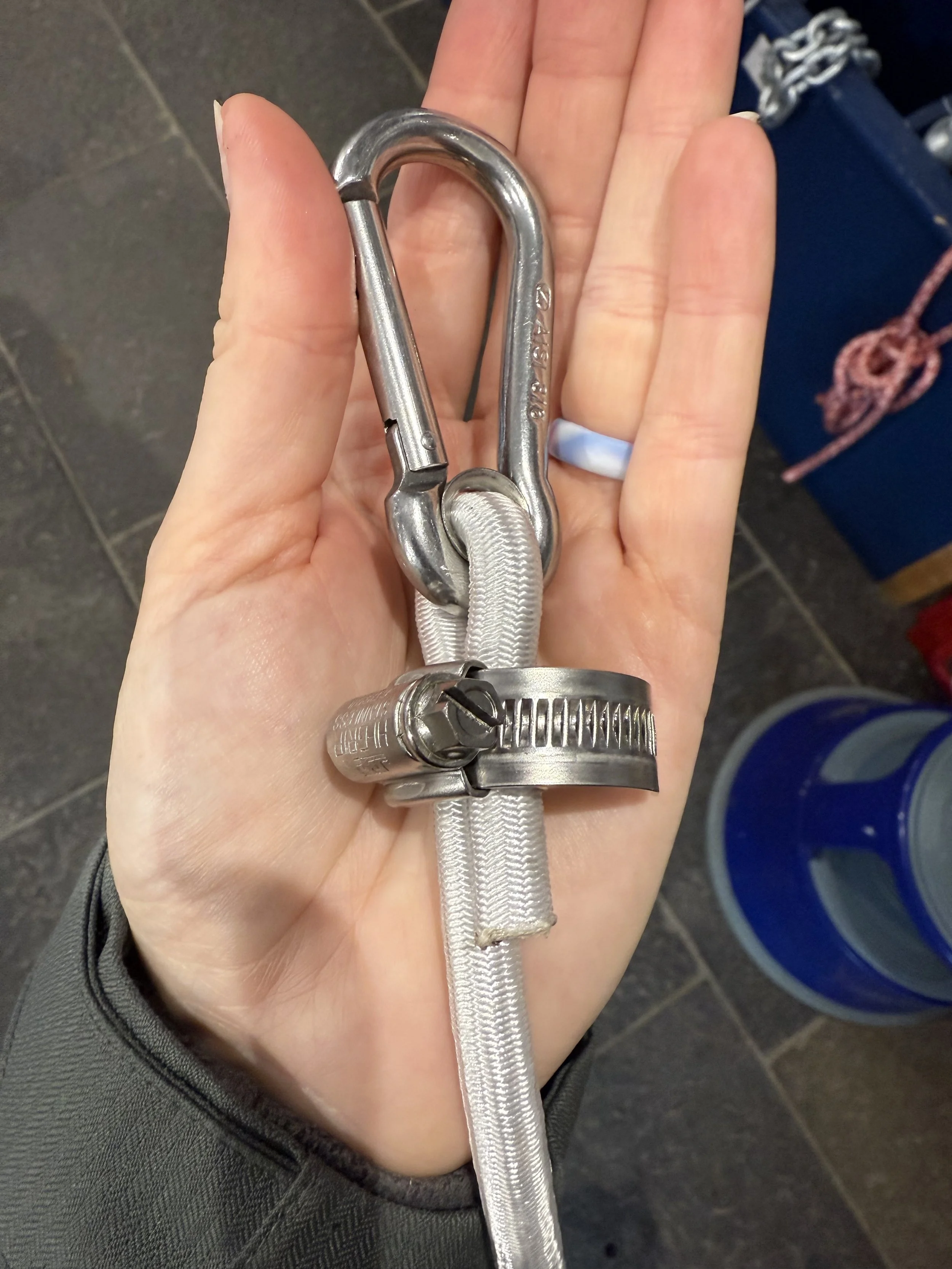
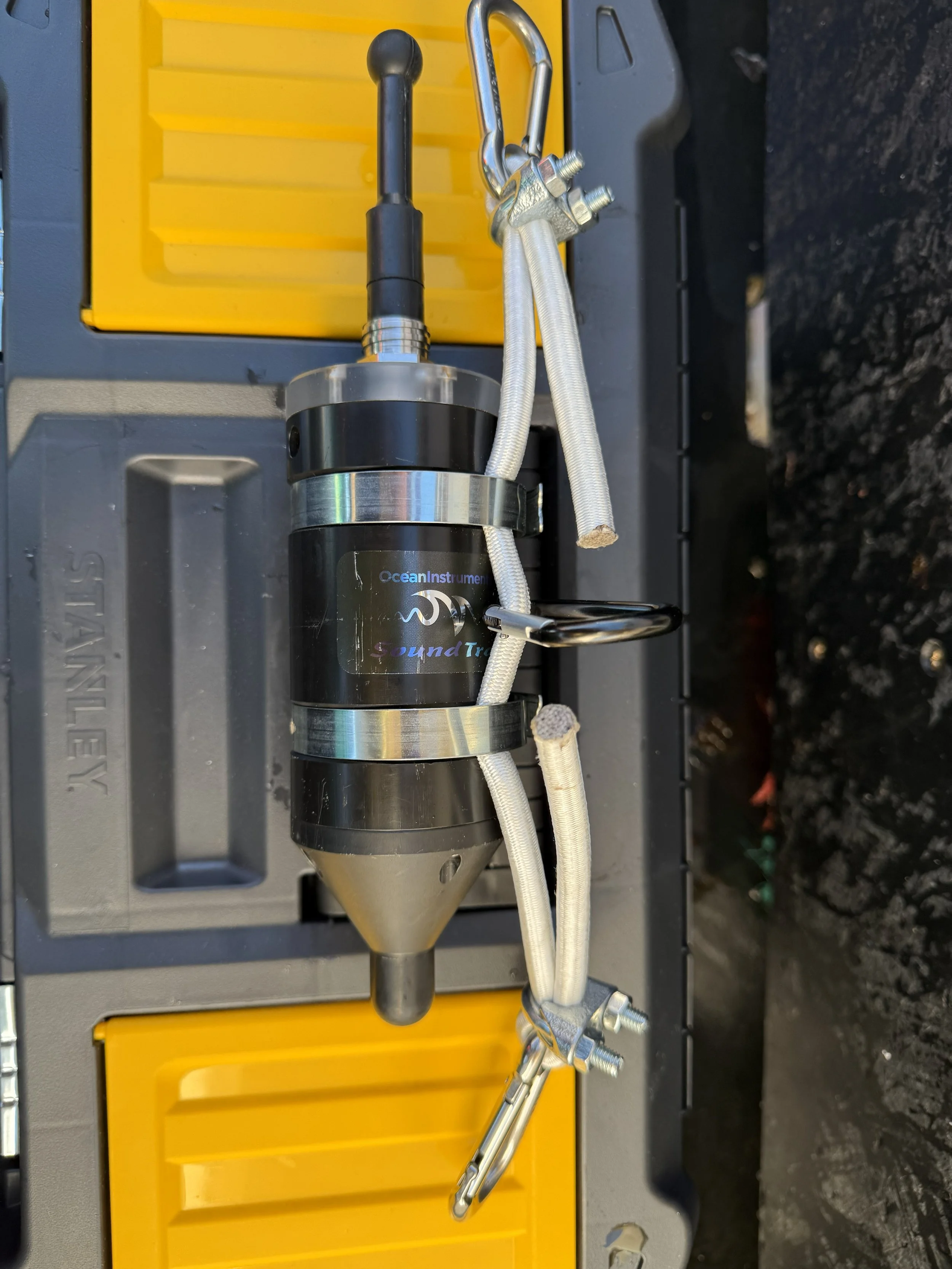
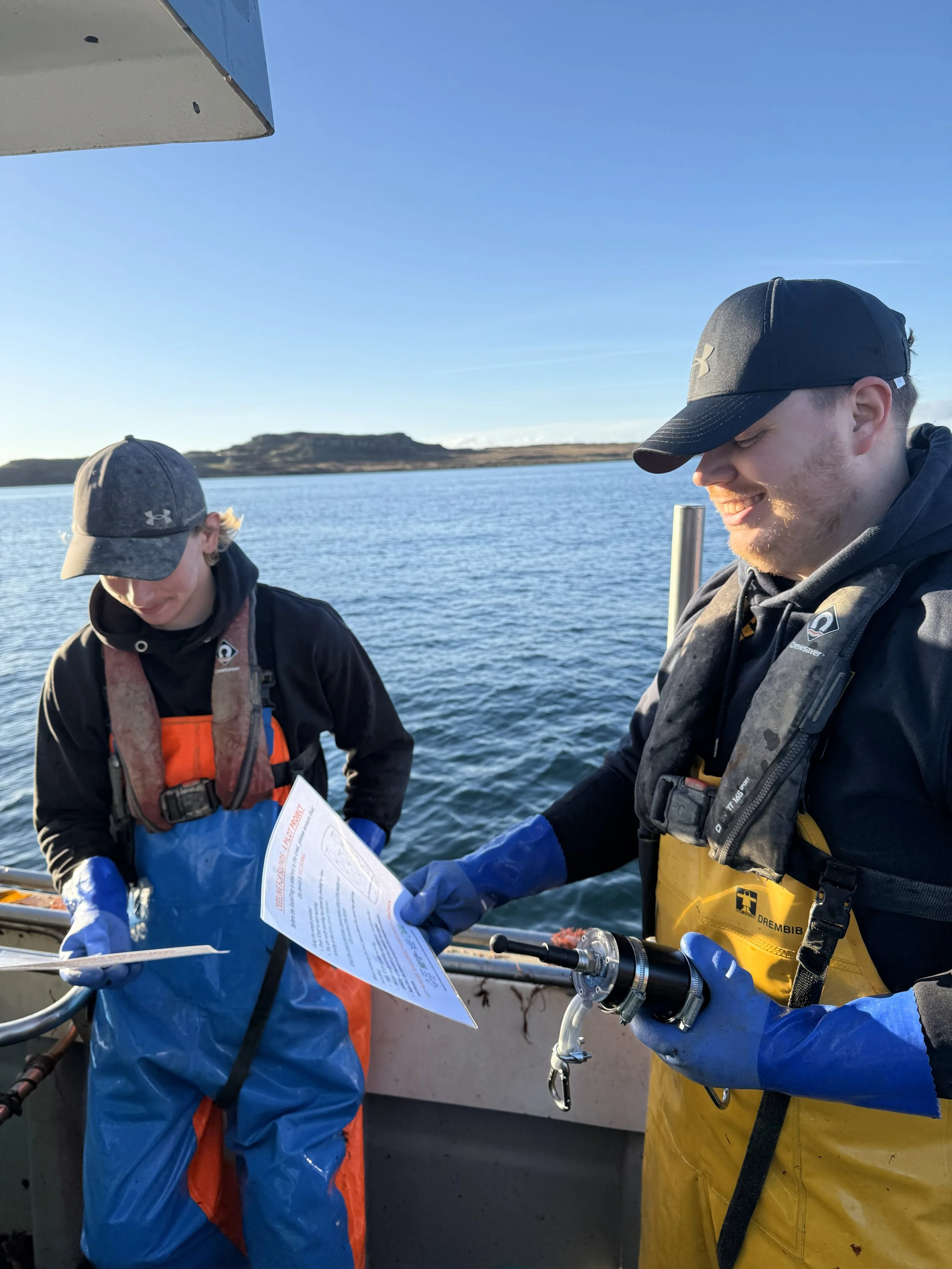
During the initial testing phase, a local fishing boat has worked closely with HWDT’s science officer to trial different deployment methods, attachment techniques and retrieval protocols. These early collaborations have provided invaluable insights into what works in real fishing conditions, from recorder positioning to minimising interference with fishing gear and catch.
This small-scale, proof-of-concept study aims to answer several important questions:
Can acoustic recording devices be safely and effectively deployed with active creel gear?
Will noise from fishing gear or the creel environment reduce the quality of recordings?
How manageable is the process for fishermen in real working conditions?
Is this a viable method for long-term, community-based acoustic monitoring across Scotland?
Mull fisherman Tom deploying the creel with the SoundTrap attached inside.
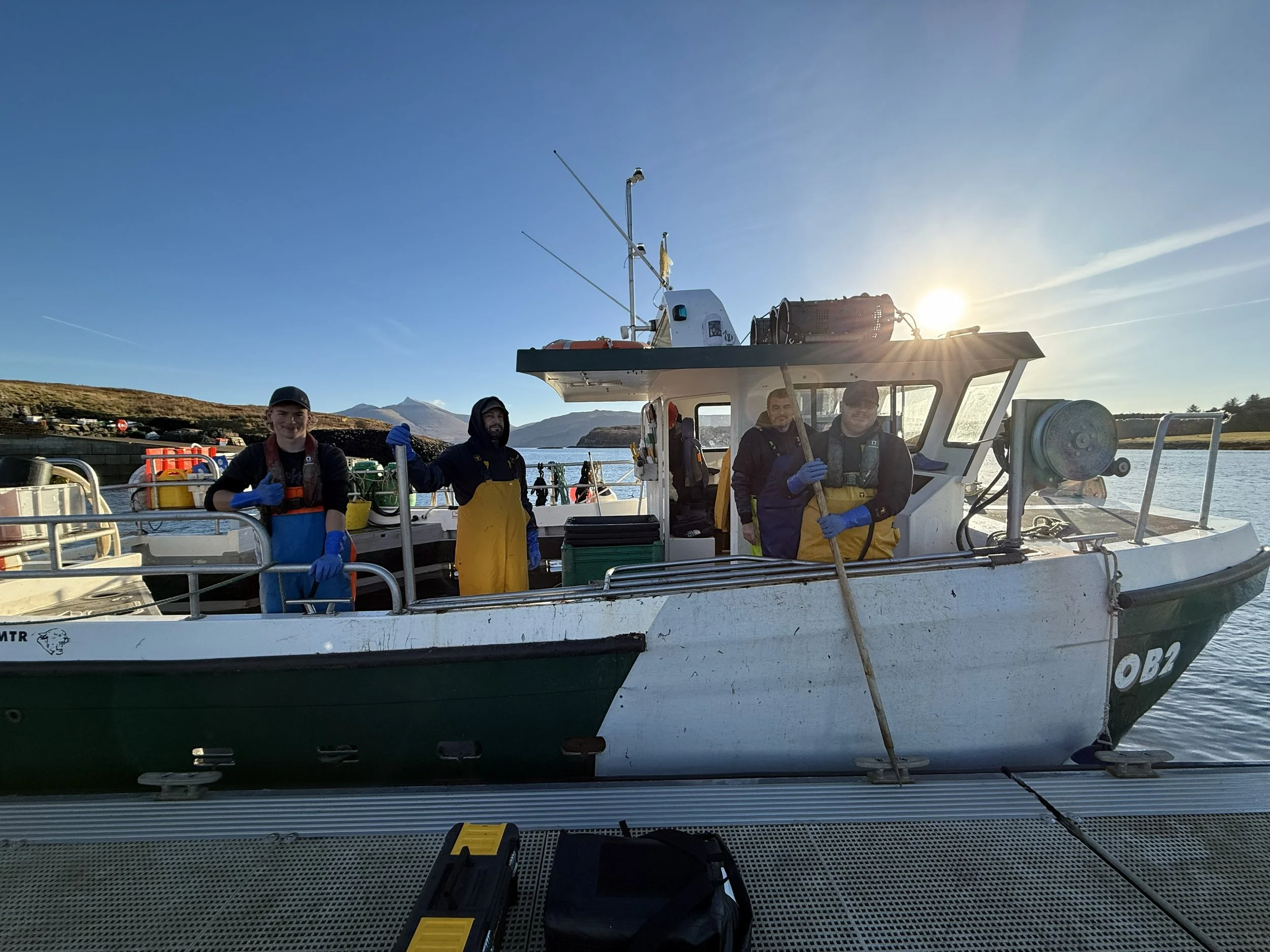
A huge thanks to Simon, Chris, Tom & Davie aboard Celtic Jewel for helping with the initial testing phase of the project.
Towards a Shared Future for Healthy Seas
The waters across the west coast of Scotland are internationally important for marine wildlife, home to species including harbour porpoises and minke whales, both of which are internationally protected and key targets for acoustic monitoring in Scotland’s seas due to designated Marine Protected Areas (MPAs) in the local area. Fisher-led acoustic monitoring has the potential to fill crucial gaps in our understanding, both inside and outside designated MPAs in Scotland’s seas.
Just as importantly, this project strengthens relationships between conservation organisations, fisheries, and coastal communities, recognising that local knowledge and lived experience at sea are essential components of effective marine conservation.
If successful, this approach could provide year-round data; increasing our understanding of protected cetacean species, offering valuable insight into the marine soundscape and building deeper connections between conservation science and coastal communities.
GET INVOLVED
Throughout Spring 2026, participating fishermen will conduct deployments at various sites across the west coast, helping to refine practical deployment techniques and shaping the future of the project. If you are a creel fisherman in the area and are interested in being involved, we’d love to hear from you! Please contact project officer Hannah Lightley for more information – hannah.lightley@hwdt.org or 01688 302620.