
Over 100,000 whales, dolphins, porpoises and other marine megafauna recorded in Scotland’s seas

Aquarius and John Coe, recorded together in February off Arisaig by Ryan MacRae
A record-breaking year for community marine mammal monitoring
2025 was a record-breaking year for the number of animals reported to the Hebridean Whale and Dolphin Trust (HWDT). Over 100,000 individual whales, dolphins, porpoises and other marine megafauna were recorded by members of the public and reported via the Trust’s app, Whale Track - representing the highest annual total ever reported.
It is important to note that this impressive figure is not a population estimate, Instead, it reflects the sheer number of animals that people were fortunate enough to encounter while spending time on and around Scotland’s seas. Many animals will have been recorded more than once, as individuals and groups move through Scottish waters and are seen by multiple wildlife watchers over days, weeks, or even months. Together, these reports build a powerful picture of how marine species use Scotland’s seas.
Over 1,000 members of the public, or citizen scientists, reported 16 different species during nearly 14,000 encounters – some of lone individuals, while other sightings were of larger pods numbering over a hundred.
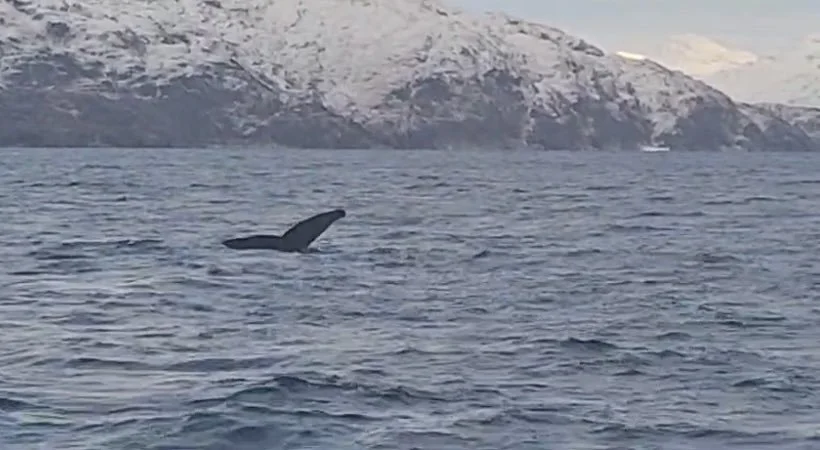
Humpback whale lunge feeding with common dolphins off Ullapool during Dec, © Noel Hawkins
For thirty years, HWDT has championed citizen science as a driving force in marine conservation. The resulting long-term dataset offers invaluable insight into the health of Scotland’s globally important marine environment. Cetaceans are long-lived, wide-ranging animals, making long-term monitoring vital for understanding how Scotland’s seas are changing.
“People are at the heart of protecting whales, dolphins and porpoises in Scotland. The data they collect underpins everything we do. Whale Track now has more than 8,000 registered users and continues to grow year on year - it’s an extraordinary public effort.”
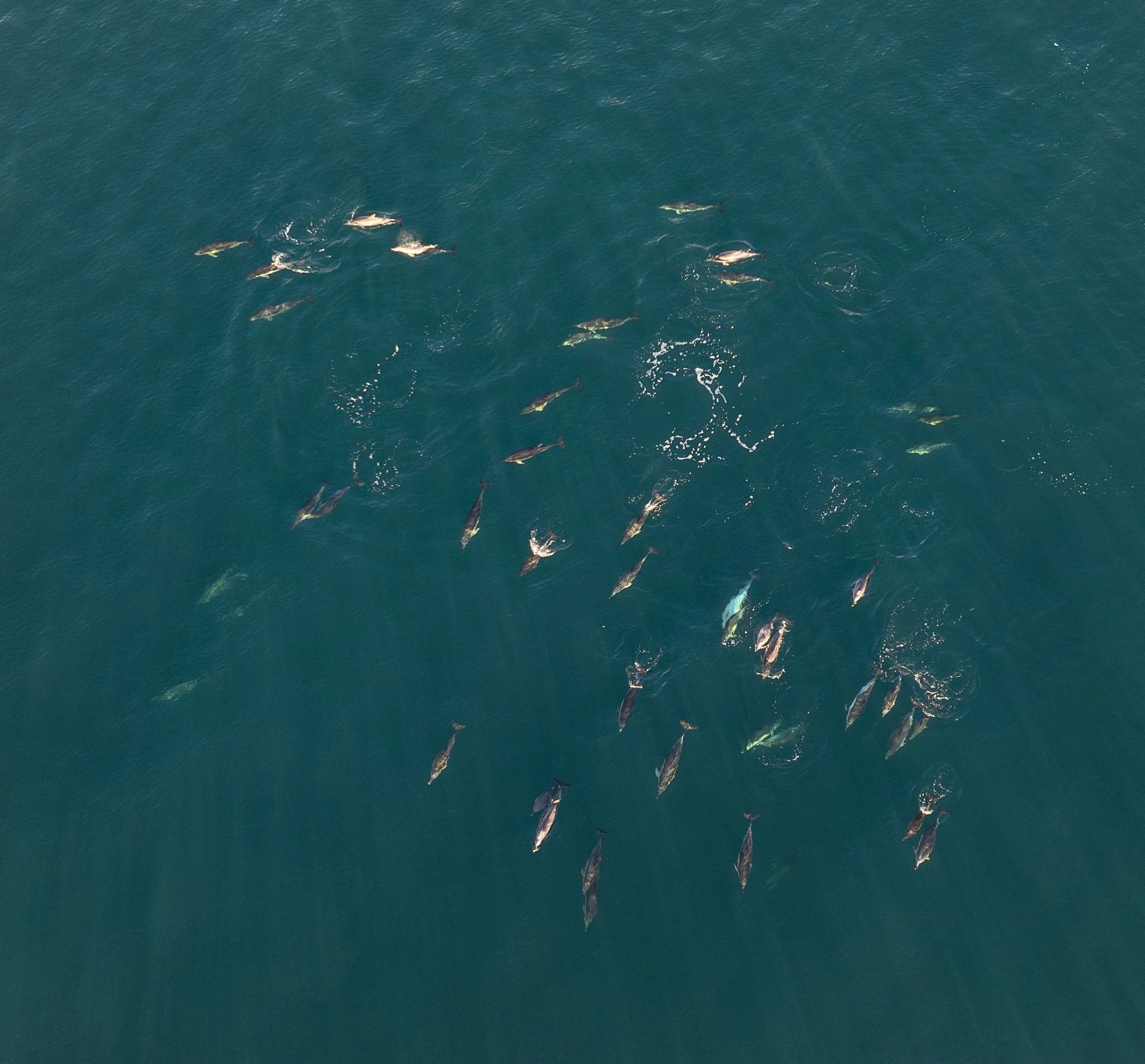
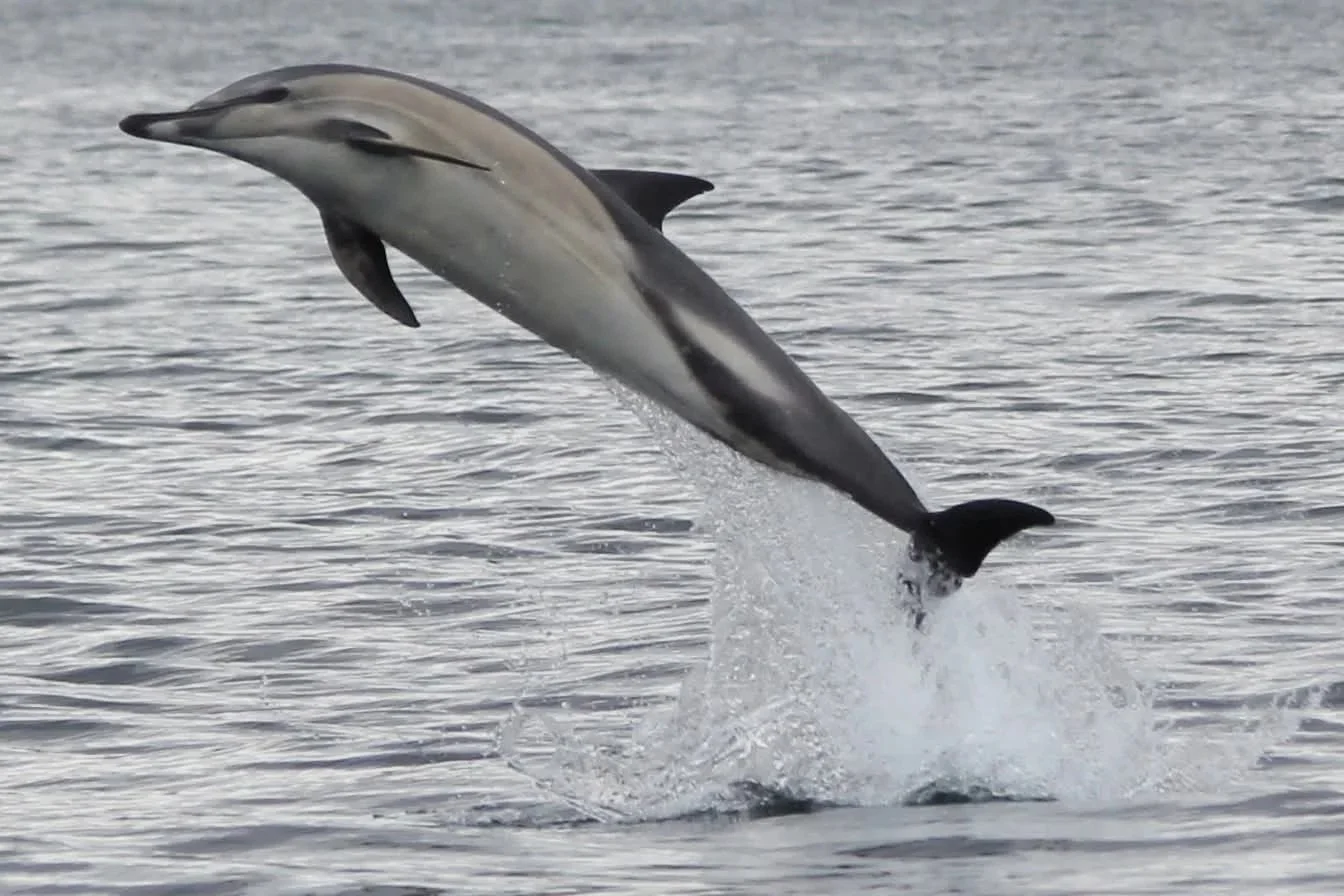
Common dolphins were the most frequently reported species in 2025, making up more than 35% of all sightings. Once considered rare summer visitors, they are now seen across Scotland’s waters throughout the year – a trend strongly evidenced by HWDT’s long-term data. Notably, 2025 was the first year that common dolphins overtook the harbour porpoise as the most frequently reported species on Whale Track.
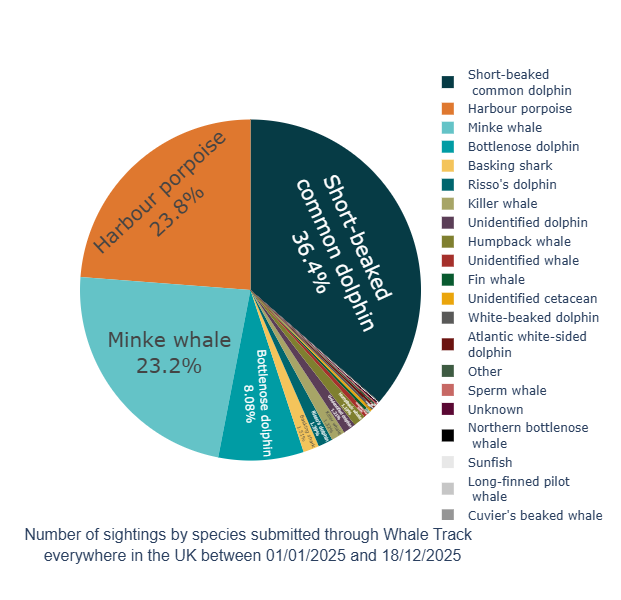
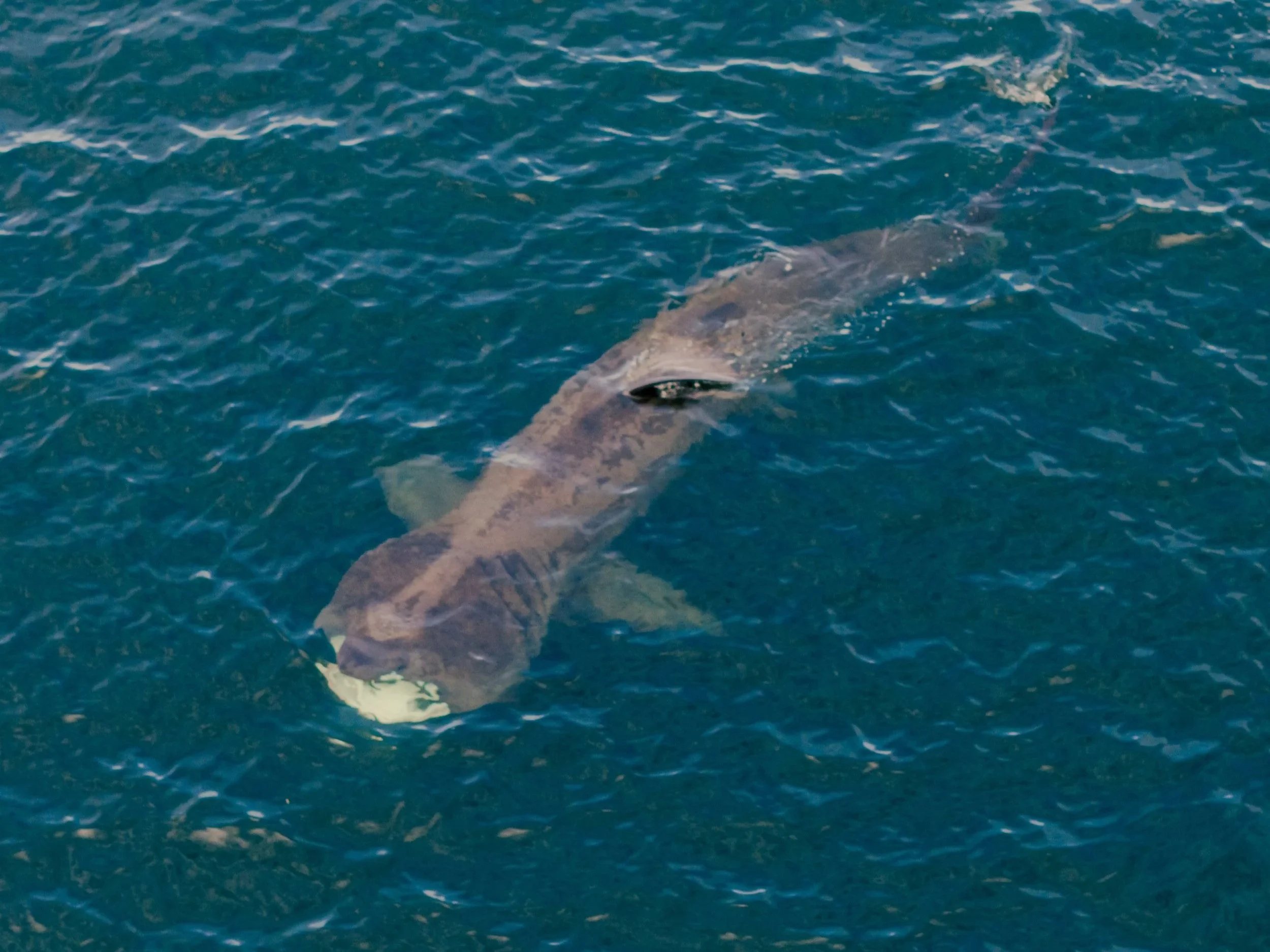
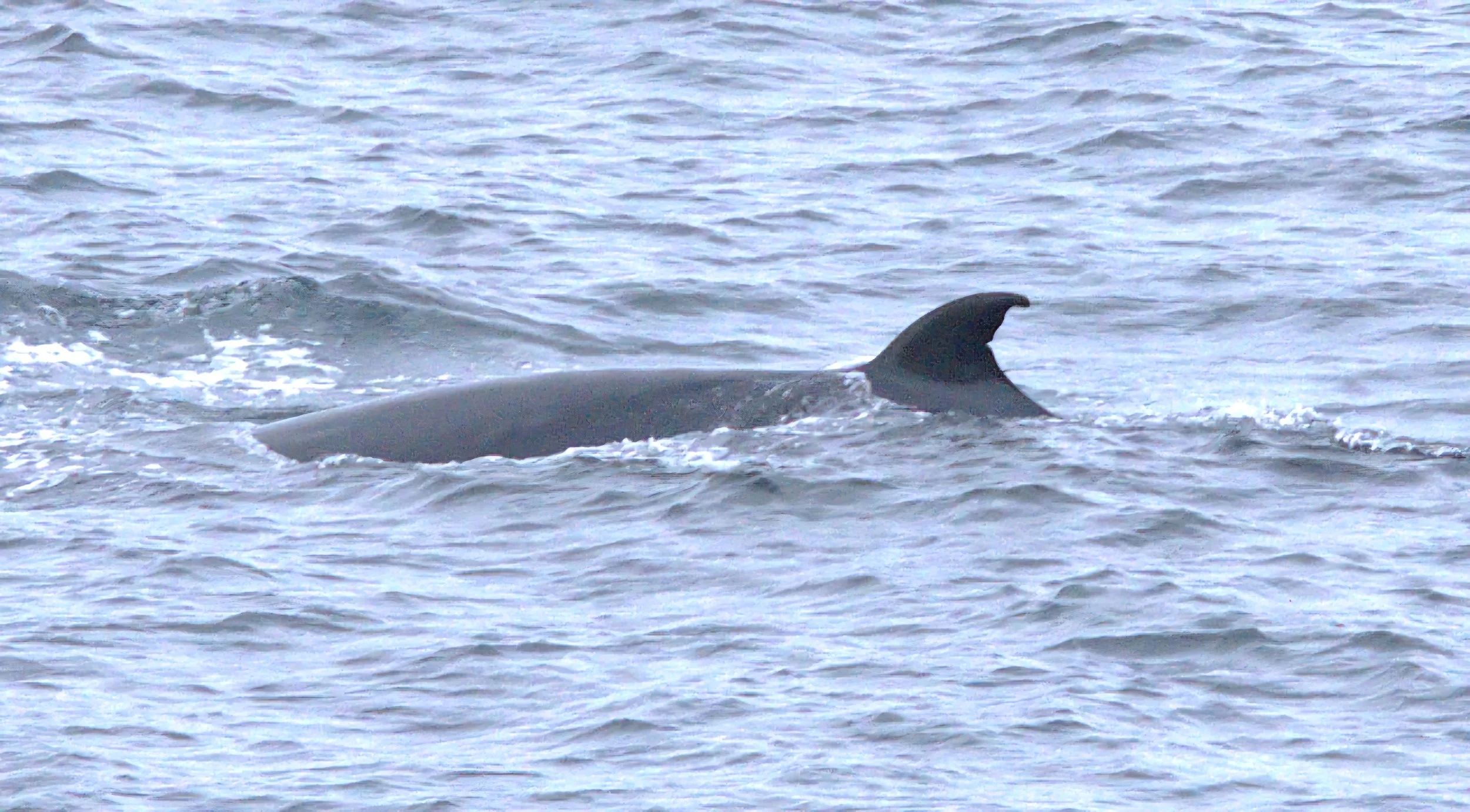
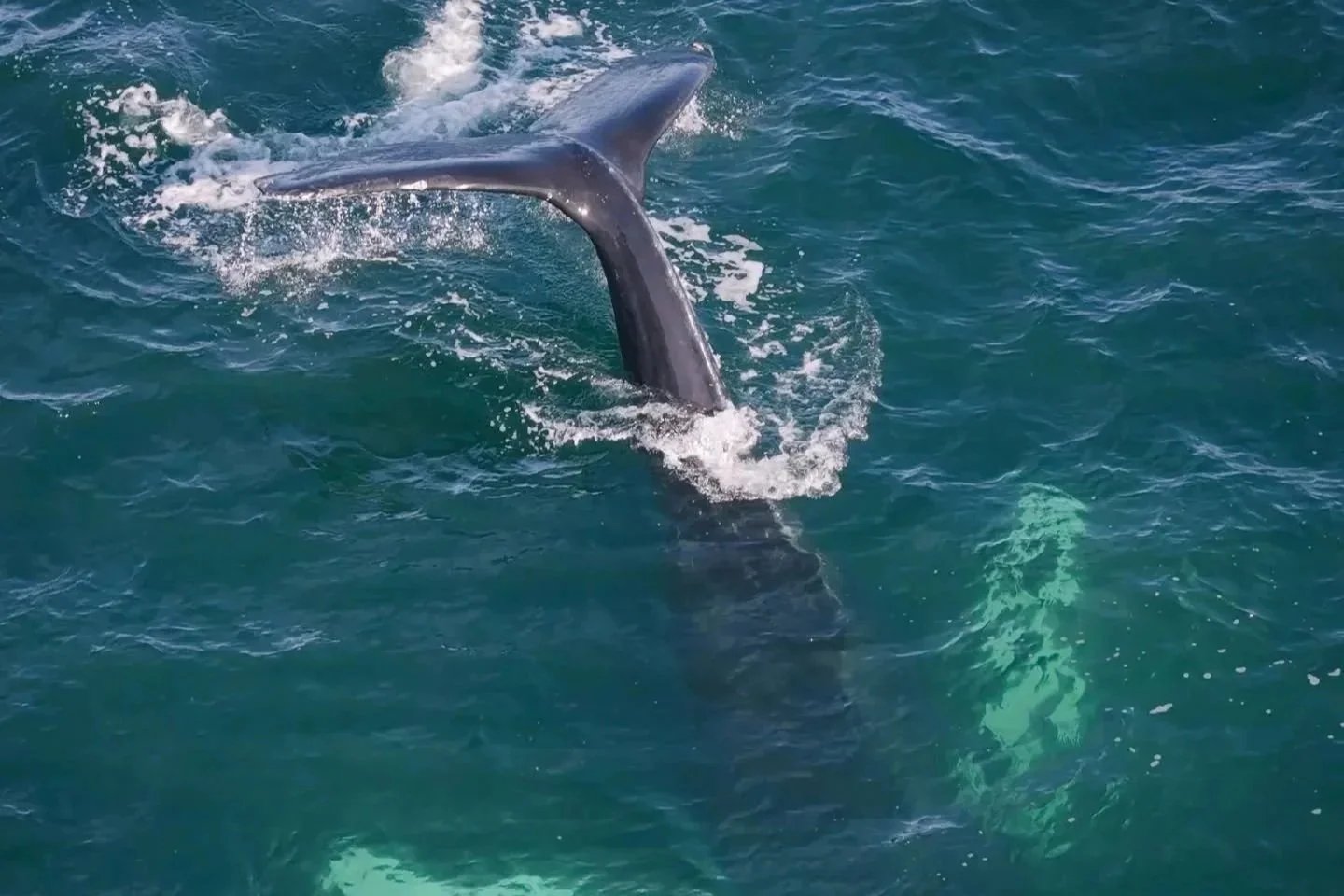
Harbour porpoises and minke whales followed closely behind in reporting frequency, while other species recorded included bottlenose dolphins, basking sharks, Risso’s dolphins, killer whales, humpback whales, fin whales, sperm whales, pilot whales, and sei whales.


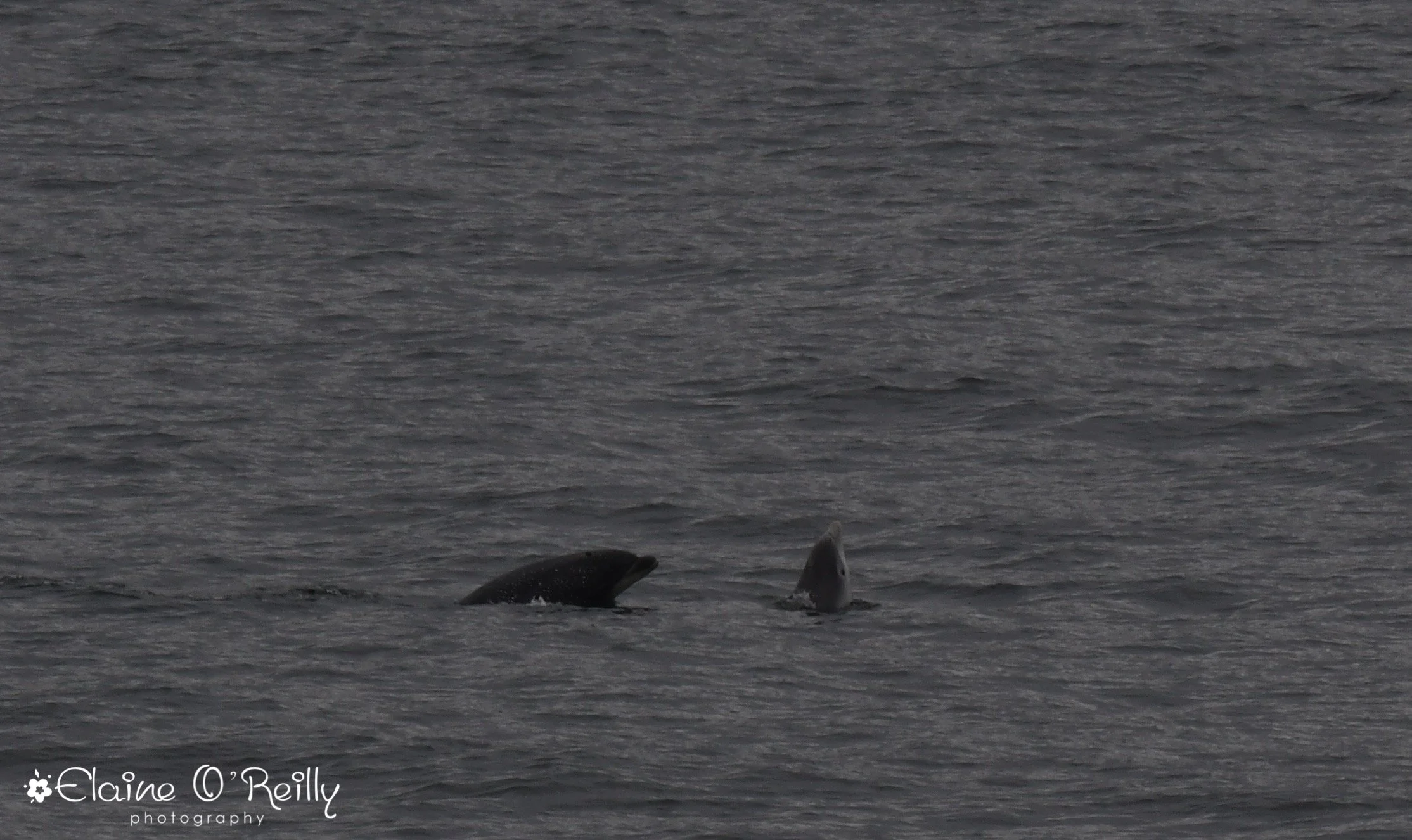
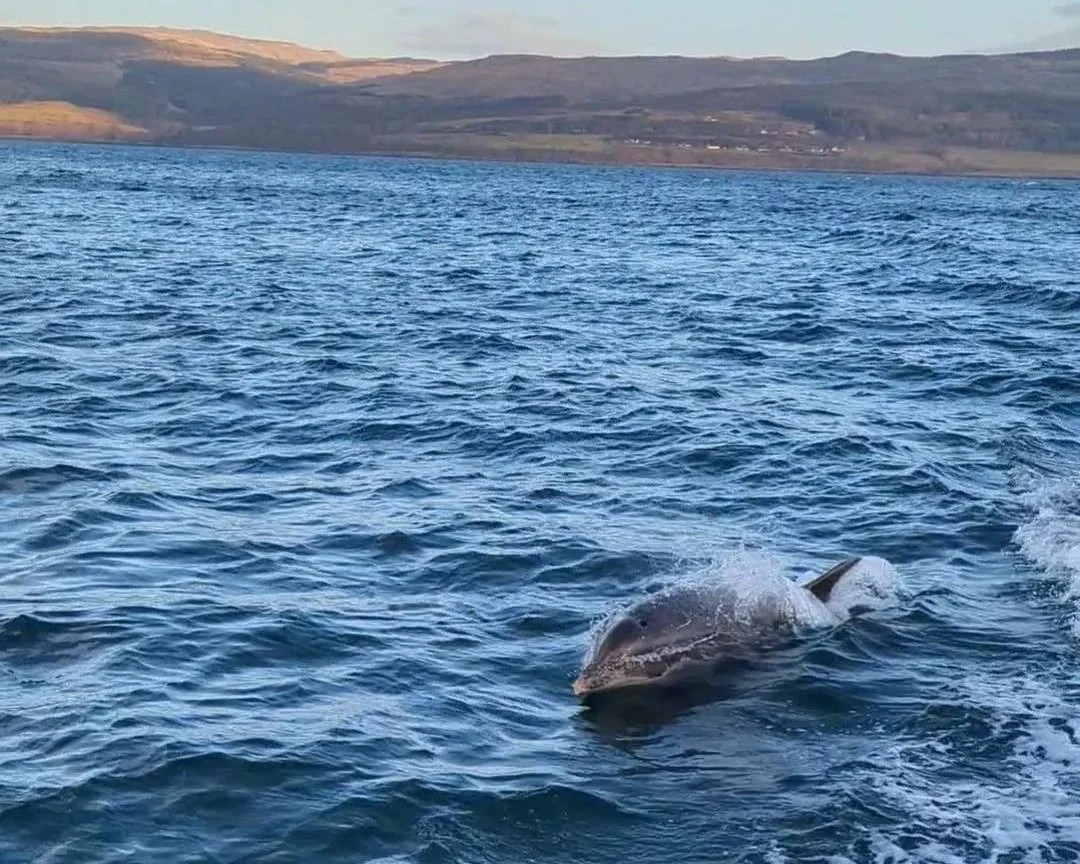

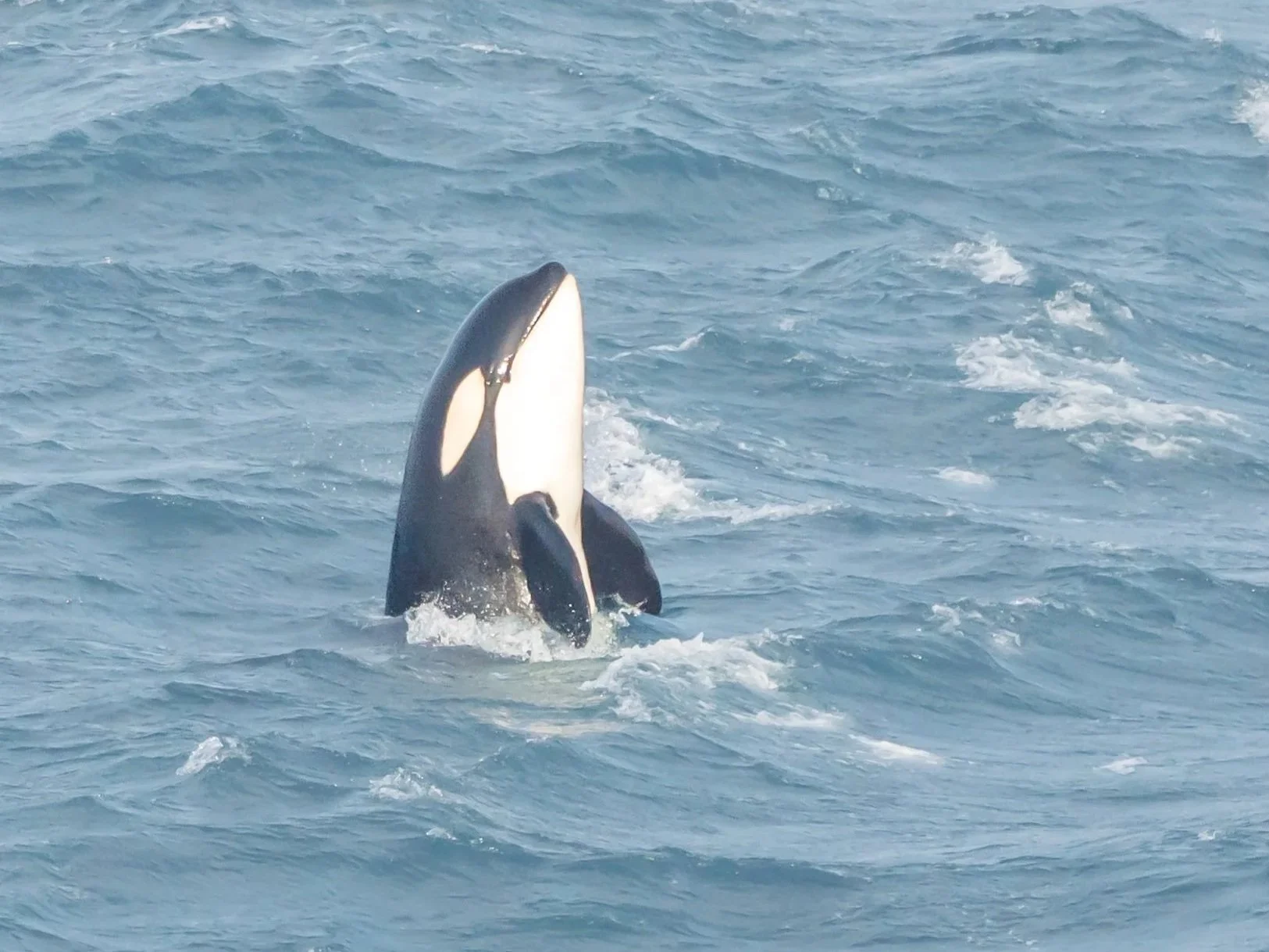
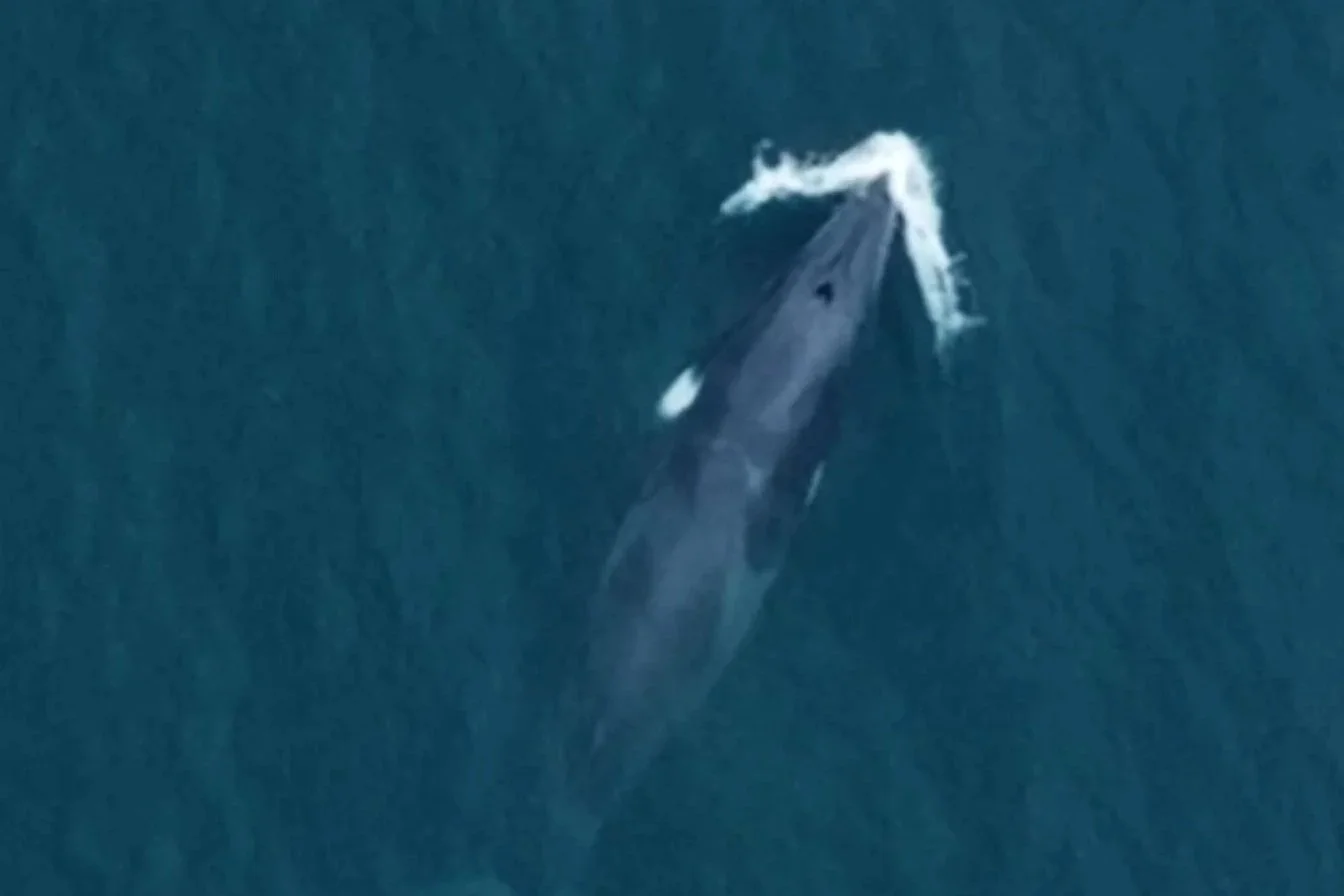

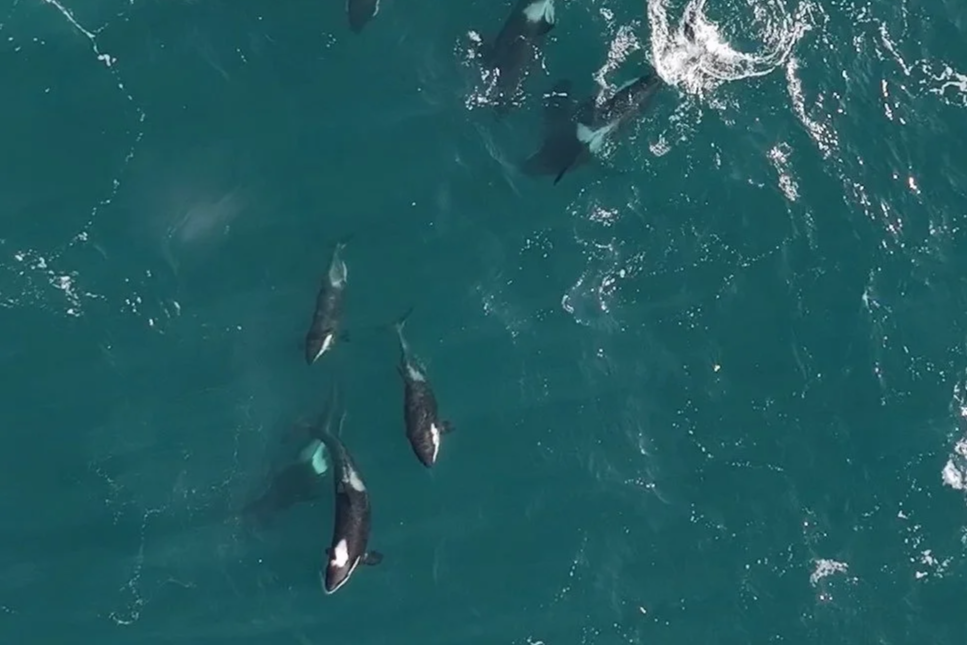
Among the year’s standout encounters was the reunion of John Coe and Aquarius, the last known members of the West Coast Community of killer whales. After nearly five months without being seen together, the pair were spotted by Hebrides Cruises side-by-side in the Sound of Rum on 05 September.

John Coe and Aquarius finally reported together in the Sound of Rum by Hebrides Cruises, © Indy Greene
Their final confirmed sighting of the year (at the time of writing) came on 22 November off Camus Mor, Isle of Skye, reported by Anthony Rigell and Sylvia Porter.
John Coe and Aquarius on 22 November off Camus Mor, Isle of Skye, reported by Anthony Rigell and Sylvia Porter, © Anthony Rigell
Another notable encounter occurred in early May, when a beluga whale - a rare Arctic visitor – made a surprise appearance in Loch Broom near Ullapool. Reported by Shearwater Cruises crew, Noel Hawkins, the beluga delighted local whale watchers and captured national media attention.
A beluga whale in Loch Broom in May, © Robert Glover
Other species reported included the sunfish – one of the largest bony fish in the world. Summer visitors to Scotland’s waters, Tiree Sea Tours reported the first sunfish of the year in June off the east coast of Tiree, with a subsequent sighting in August near the Treshnish Isles.
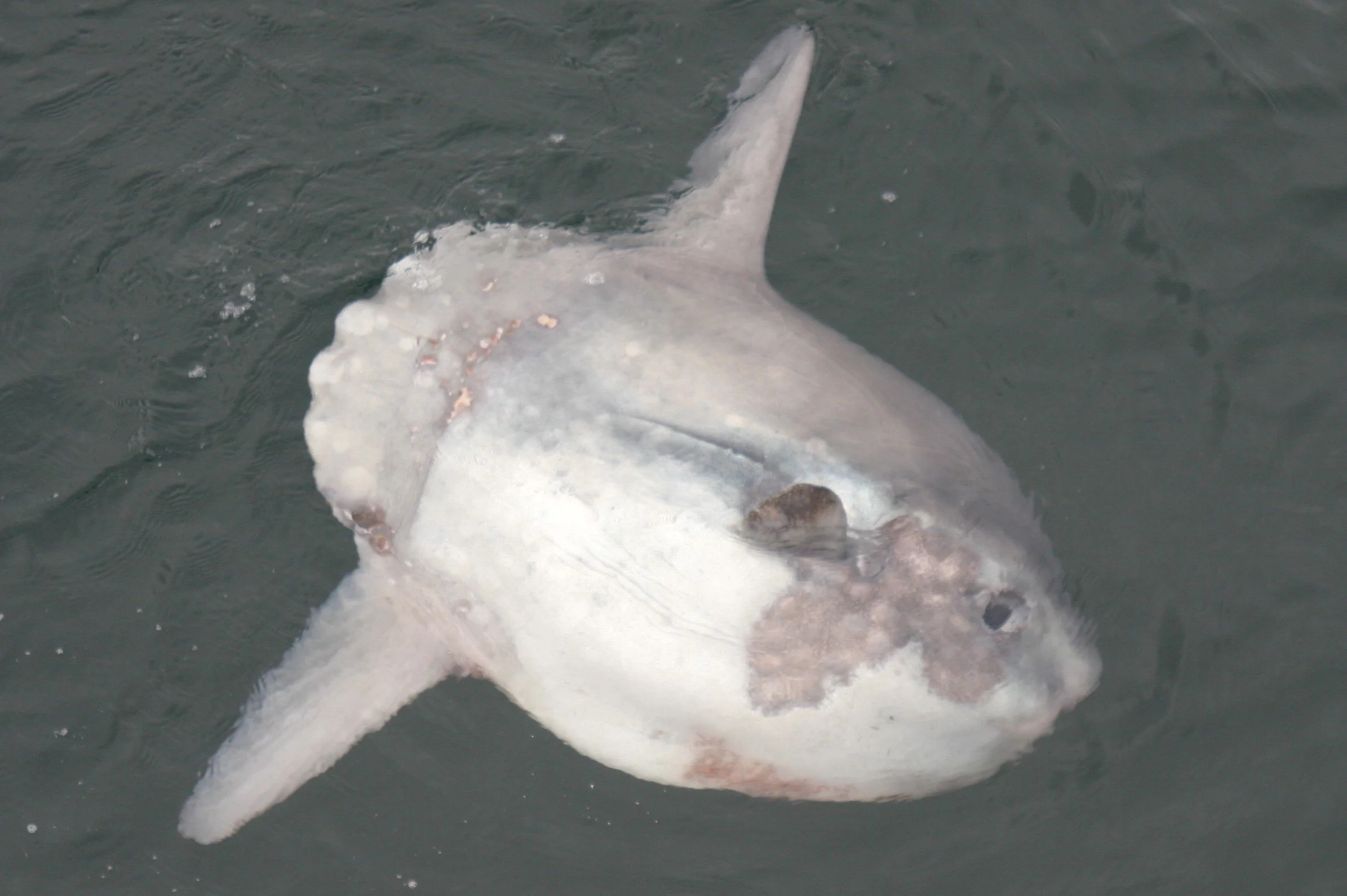
A sunfish basking at the surface, ©HWDT
Scotland’s seas are among the most diverse in Europe, but they are also under pressure. Increasingly noisy, busy and polluted, these cumulative pressures threaten the animals that depend on these waters. HWDT’s citizen science programmes offer a powerful way for people to act, helping to safeguard marine life for future generations.
HWDT is encouraging the public in Scotland to get involved in efforts to monitor marine mammals by downloading the free Whale Track app and reporting their sightings.
Whale Track is supported by The Q Charitable Trust, Baillie Gifford, donors to the Big Give Green Match Fund in 2024, Heritage Lottery Fund and the Nature Restoration Fund, facilitated by the Scottish Marine Environmental Enhancement Fund, and managed by NatureScot.